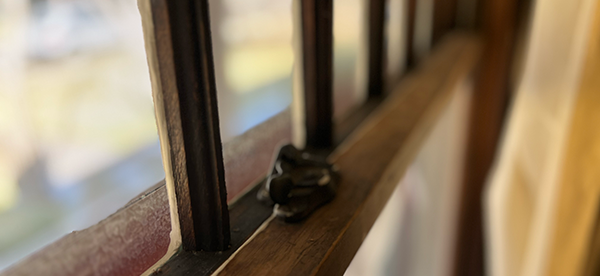
Sash basics: cords, pulleys, weights—how they work
Double-hung windows are one of the earliest “precision machines” in your house. When they work, it’s effortless. When they don’t, people blame the whole window instead of the one failed component.
How the balancing system works
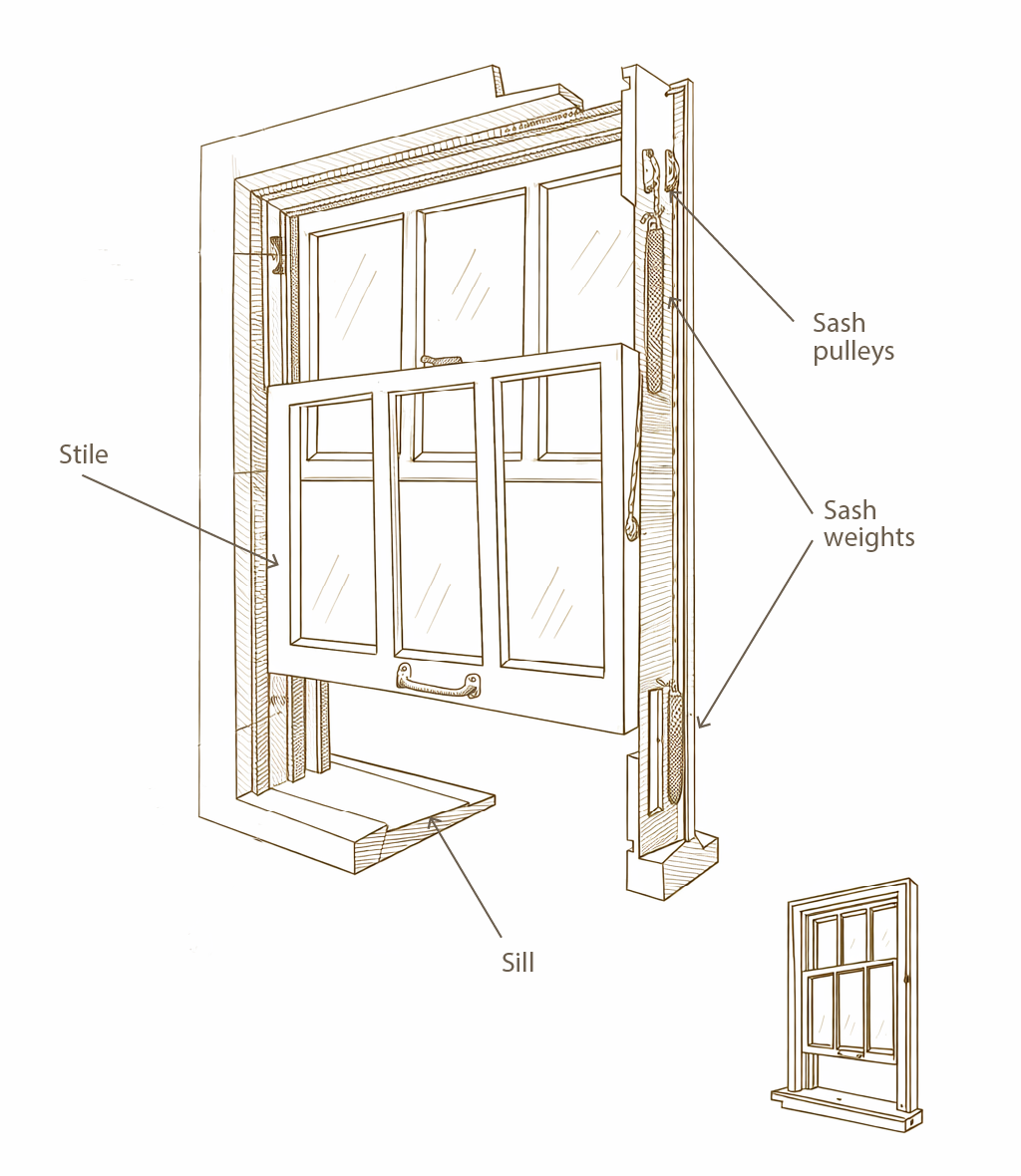
The goal is simple: the sash weight roughly matches the sash mass. The cord runs over the pulley, connecting sash to weight. When the sash goes up, the weight goes down, making the sash feel light.
The cast of characters
Sash: the moving framed unit holding the glass
Frame: the fixed structure attached to the building
Parting bead: thin strip that separates upper and lower sash tracks
Stops: trim pieces that hold sash in place but allow movement
Cords (or chains): connect sash to weights
Pulleys: small wheel at the jamb head guiding the cord
Weights: cast iron (usually) counterbalance the sash in hidden pockets
When something fails, you see predictable symptoms:
- Sash won’t stay up → broken cord, wrong weight, missing weight, friction from paint/warping
- Sash slams shut → broken cord or disconnected weight
- Sash is hard to move → painted shut, swollen wood from moisture, debris in track, failed weatherstrip install
- Rattling → missing stops/parting beads, undersized sash, no weatherstripping
Why this matters for restoration
A window with a perfect storm panel and great glazing still feels “bad” if it won’t operate. Operability is comfort, ventilation, and safety.
NPS guidance on repairing historic wood windows treats evaluation and repair of components as part of a planned approach—because “just painting it” is not a restoration plan.
When to call a pro
- If sashes are jammed from structural shifting (frames out of square)
- If weight pockets are inaccessible or heavily modified
- If you suspect lead paint and the work will disturb paint significantly (see lead safety article)
References: NPS Preservation Brief 9