Glazing putty 101: what fails and how to spot it
Glazing putty is the unsung weather seal that holds glass in place, sheds water, and protects vulnerable wood at the rabbet. When it fails, paint failure and rot are often close behind.
What glazing putty does (in plain terms)
- Locks the pane into the sash rabbet
- Creates a sloped surface to shed water
- Protects end grain and joints at the glass line
How it fails
Common failure modes:
- Cracking and checking (age, UV, thermal movement)
- Pulling away from wood or glass (loss of adhesion, oil depletion, poor prep)
- Soft putty that never cures properly (wrong product for conditions, incompatible paint timing)
- Paint failure on the putty line (often the first visible symptom)
NPS’s wood window repair guidance treats glazing and paint as core maintenance/repair items, not cosmetics.
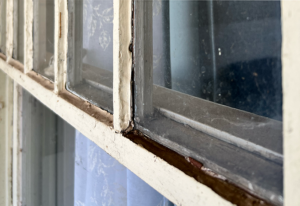
What to look for during inspection
- Hairline cracks are normal aging; gaps are the real issue
- Putty that sounds hollow when tapped lightly (loss of bond)
- Bare wood at the glazing line
- Loose panes (rattle when gently pressed)
- Interior staining at the sash bottom rail (can indicate water tracking)
Why “spot repairs” can be smart
Not every pane needs to be re-glazed for the window to improve dramatically. Often:
- A few failed corners are letting water in
- A few missing points are allowing movement
- One severely deteriorated sash is making the whole room feel drafty
Safety note
Glazing work often disturbs old paint, and old windows frequently have lead-based paint. If your home was built before 1978, follow lead-safe practices and consider certified help.
Good step-by-step video on Glazing
Why Oil-Based Glazing is Better:
High-Traffic/Weather Resistance: It is better suited for exterior, high-moisture environments.
Superior Longevity & Durability: Oil-based putties are designed to withstand extreme temperature swings, preventing the glazing from cracking or pulling away from the glass over many years.
Better Adhesion: It forms a stronger bond between the wood frame and the glass, reducing the risk of water infiltration.
Smoother Finish: The slower curing process allows the putty to self-level, resulting in a cleaner, more professional look without visible, rough strokes.
References: NPS Preservation Brief 9 ; EPA Lead RRP program overview/resources
Use Latex: When speed is required (it dries faster), for easy cleanup, or for quick, low-maintenance fixes where the long-term durability of oil isn’t necessary.
Prefer to get prefessional help?
Try Angi for pros in your area.
Compare quotes from top-rated Windows ContractorsDisclosure: I may earn a commission if you request service through these links. It doesn’t affect your quote.
For the DIYers…
These are some tools I use when re-glazing historic wood windows.
Just an FYI – If you use the links from my website, I get a little kick-back from Amazon. It doesn’t affect your price.
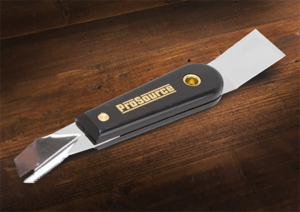
Edward Tools ProSource 2-in-1 Glazing Tool – Multi Use Tool for Scraping & Applying Push Style Glaziers Points – Polished High Carbon Steel – Solvent Proof Nylon Handle.
Check current Amazon price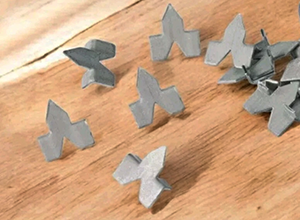
Fletcher Glazier Points Repairing or reglazing Windows 50 pk
Check current Amazon price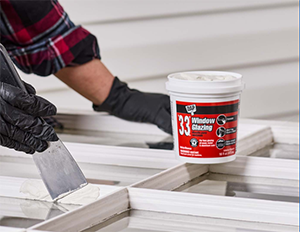
DAP ’33’ Window Glazing, White, 8 Oz
Check current Amazon price